How to Use One Credit Card Like a Pro (Without Debt)
You don't need multiple credit cards. Learn how Filipinos can manage just one credit card efficiently without falling into debt.
Is it smart to use your credit card for all expenses? Learn when it works and when it quietly backfires for Filipinos.
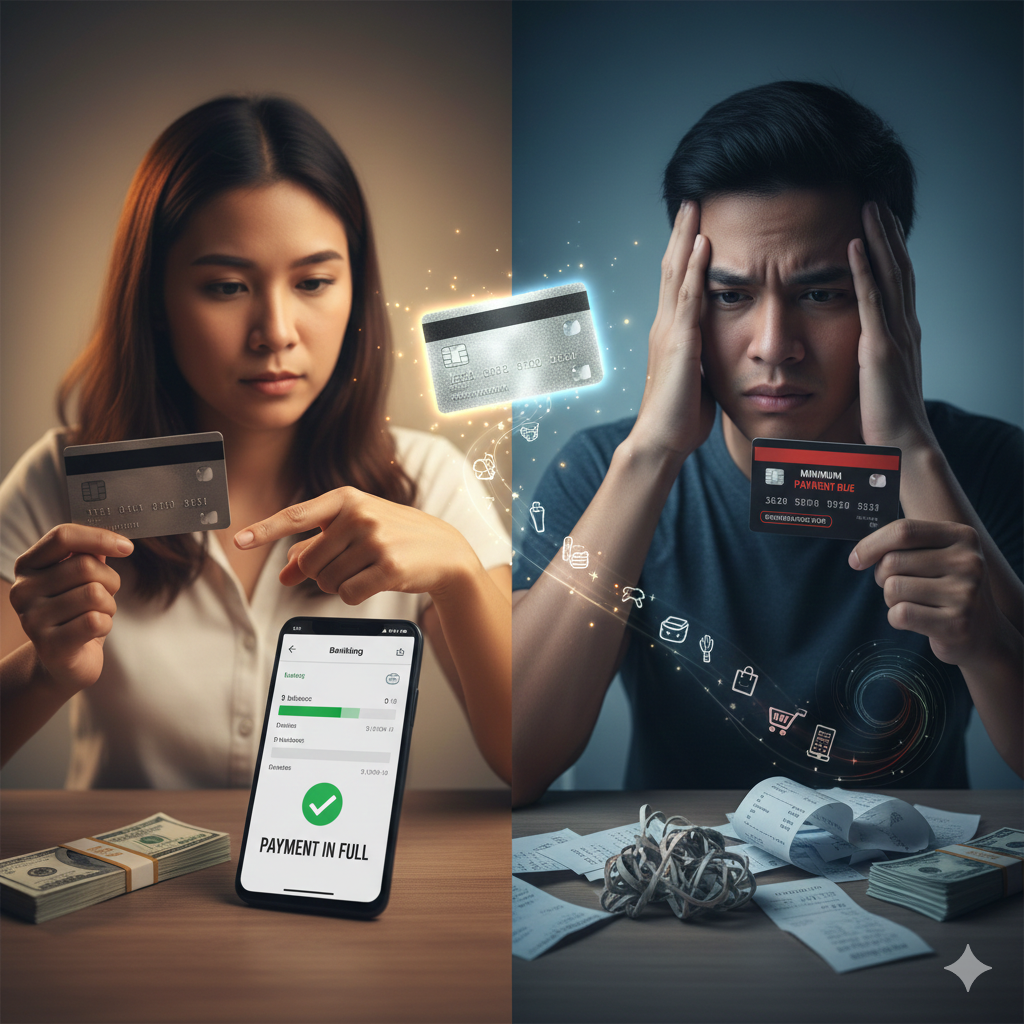
I still remember a conversation with my friend Ana about her credit card strategy.
"I put literally everything on my card," she told me. "Groceries, bills, Grab rides, coffee, even my ₱50 parking. Everything."
"Do you pay in full every month?" I asked.
"Of course," she said. "I treat it like cash. I only charge what I can afford."
Ana's been doing this for three years. She earns cashback. She never pays interest. It works perfectly for her.
Then there's Miguel. Same strategy. Everything on the card.
Except Miguel doesn't pay in full. He carries a balance. He tells himself "I'll pay it next month." His ₱25,000 balance has been sitting there for 8 months.
Same approach. Completely different outcomes.
Here's the question that shows up on r/PHCreditCards and r/phinvest all the time. "I put everything on my credit card. Is that okay?"
The answer isn't about whether you should or shouldn't. It's about whether you can do it without slowly sliding into debt.
Using your credit card for everything can work. But it requires serious discipline and strong systems. Without both, convenience quietly becomes dangerous.
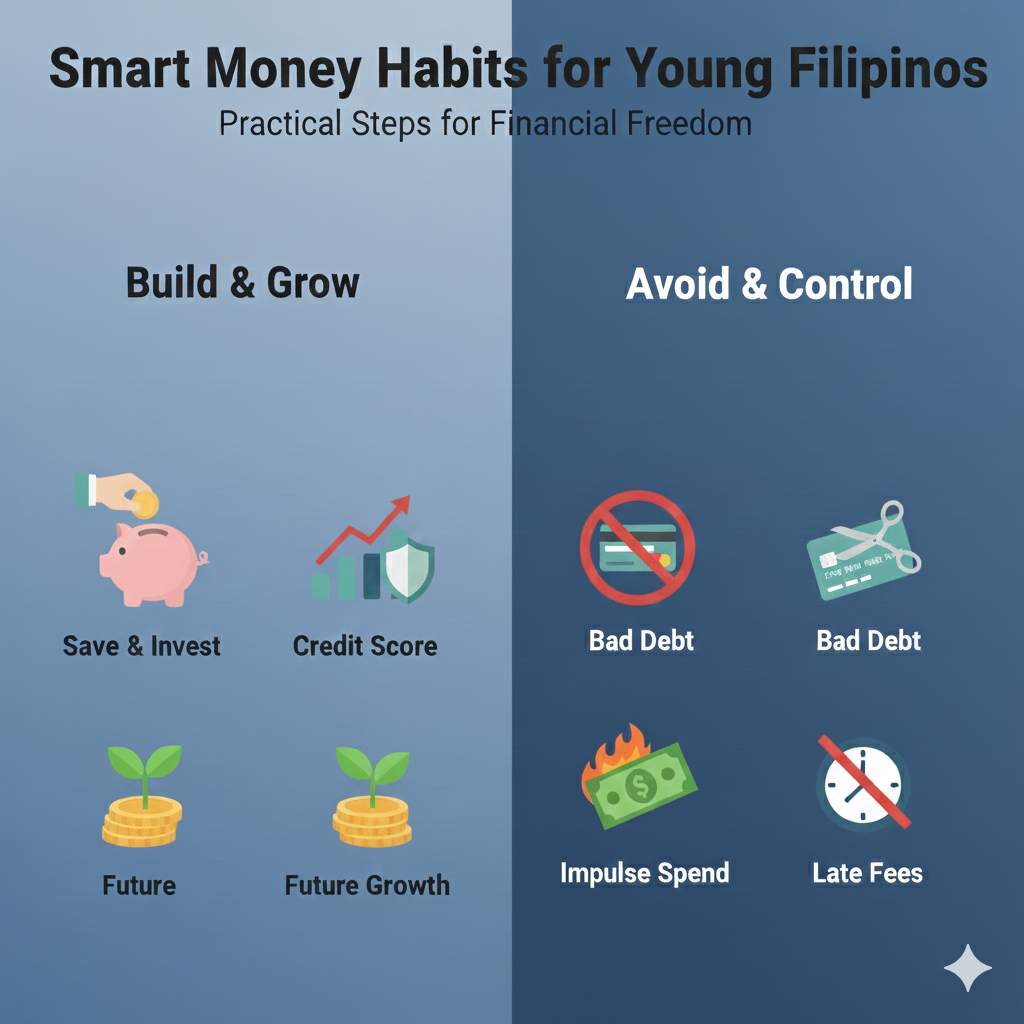
If you haven't mastered the basics yet, start here: Smart Money Habits for Young Filipinos.
Let's start with when this strategy works.
It's fine to put many expenses on a card if you treat it like cash. Only charge what you can pay in full and always pay on time.
This approach can work when you maintain strict habits. You build credit history, earn rewards and purchase protections, and simplify expense tracking.
But here's the critical condition. You must avoid revolving balances and always pay the full statement balance every month without exception.
It works when you:
Every Sunday, Ali checks her pending balance. She knows exactly what she's spent. When her statement comes out, she pays in full the same day.
She's been doing this for over 10 years. Never paid interest. Earns thousands in cashback annually. It works because she has the discipline and systems to make it work.
For more on building these systems, check out: One Credit Card System.
Now let's talk about when this strategy falls apart.
Balances creep up when you start paying only the minimum. High revolving interest can trap you in long-term debt. Especially if you continue using the card while carrying a balance.
With Philippine credit cards charging up to around 3% monthly interest under the BSP cap (roughly 36% per year at the maximum), debt compounds fast.
Carlo started with good intentions. He was going to use his card for everything and pay in full.
First month: ₱8,000, paid in full. Second month: ₱12,000, paid in full. Third month: ₱18,000, paid ₱15,000. "I'll catch up next month."
He never caught up. The balance kept growing. Six months later, he owed ₱32,000 and was paying minimum only because that's all he could afford.
He's now been in debt for over a year. All because "use it for everything" turned into "charge it now, worry about it later."
When you lose track of spending or start carrying balances, the convenience of cards becomes a debt trap.
For more on why this happens, read: Paying the Minimum vs Paying in Full.
Here's something most people don't realize. Credit cards make you spend more. It's not about discipline or willpower. It's psychology.
According to research cited by Forbes and other financial publications, people are much more likely to spend more and make impulse purchases with cards than with cash. The physical act of handing over cash creates psychological pain that swiping a card doesn't.
International studies show that willingness to pay is significantly higher with cards than with cash. You'll spend ₱500 on coffee and pastries with a card when you'd think twice about breaking a ₱500 bill.
This isn't a Philippine-specific thing. It's human psychology. But it's especially relevant in the Philippines where budol culture and impulse buying are already strong.
Think about Shopee midnight sales. Lazada flash deals. "Add to cart" is so easy when you're using a card. You don't feel the money leaving. You just see items accumulating in your cart.
Cash forces awareness. You physically see your wallet getting thinner. Cards hide that feedback loop.
Sofia noticed this about herself. When she went grocery shopping with her credit card, she'd spend ₱4,000 to ₱5,000. Same trip with cash? ₱2,500 to ₱3,000.
"With cash, I'm doing math in my head the whole time," she said. "With the card, I just swipe. I tell myself I'll check later."
That psychological distance from your money is why "use it for everything" backfires for so many people.
If "everything on the card" feels risky but you still want the convenience and rewards, here's a safer middle ground.
Many disciplined Filipino credit card users follow a hybrid approach. They put fixed, predictable expenses on their card and use debit or cash for variable or problem categories.
Fixed versus variable expenses and local budgeting content, separating these categories helps keep budgets stable. Use cards mainly for the fixed side to avoid impulse overspending.
Fixed expenses that work well on cards:
These are expenses you're paying anyway. The amounts are predictable. There's no impulse involved. Putting them on your card earns rewards without increasing spending.
Problem categories to keep on debit or cash:
These are the categories where budol happens. Where "just one more thing" turns into ₱5,000. Where cards make it too easy to overspend.
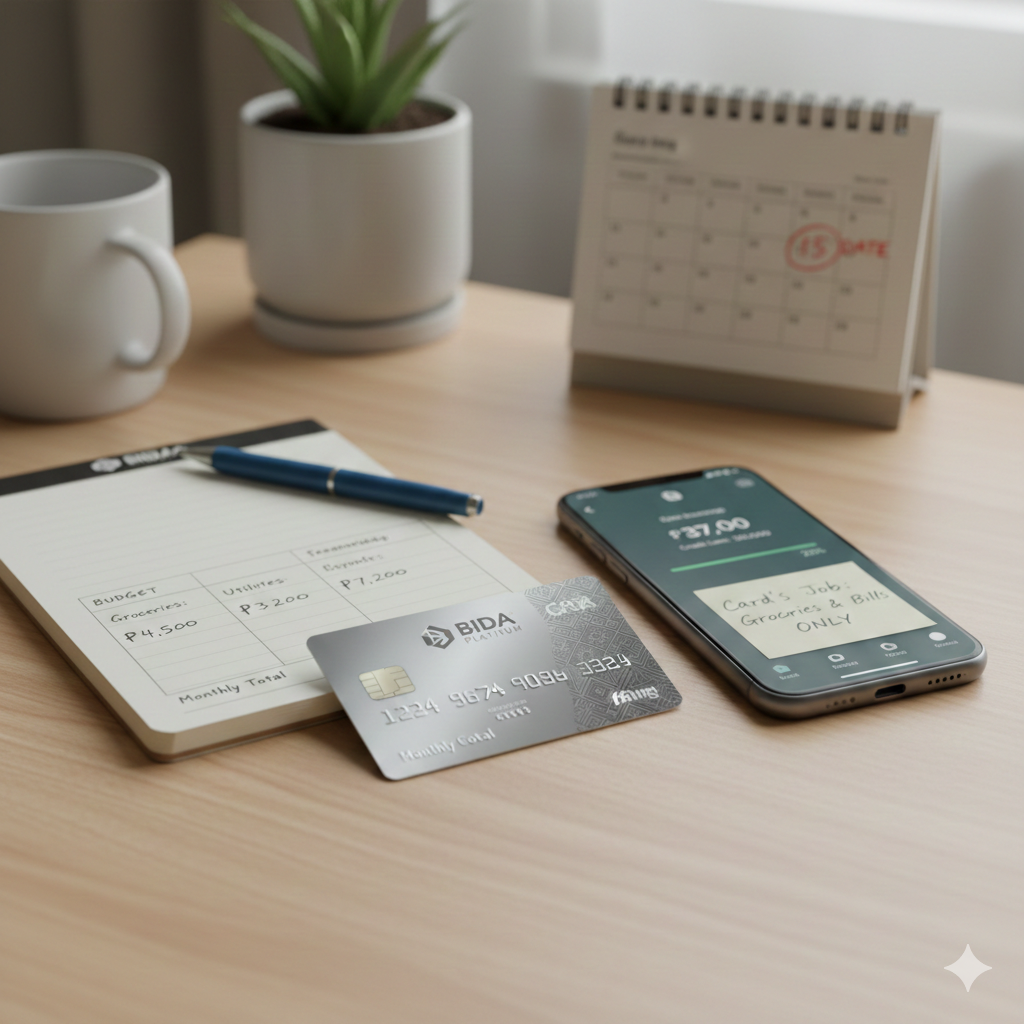
Alex has a card that automatically charges utilities, internet, mobile plan, and gym membership. Total: around ₱6,000 to ₱7,000 per month.
Everything else? Debit card or cash.
No midnight Shopee sessions on the credit card. No "let's try this new restaurant" impulse decisions charged to credit. Those come out of his debit account where he feels the impact immediately.
He still earns rewards on his fixed expenses. He still builds credit history. But he's eliminated the psychological risk of overspending in categories where he's most vulnerable.
How to implement the hybrid approach:
This approach gives you the benefits of using a card (rewards, convenience, purchase protection) while protecting you from the psychological trap of overspending.
For more on building simple, effective systems, check out: How to Use One Credit Card Like a Pro.
One reason "use it for everything" backfires is poor tracking.
When you're swiping 20 to 30 times per month, it's easy to lose count. ₱200 here, ₱500 there, ₱1,200 for something else. It adds up faster than you realize.
Filipino credit card users on r/PHCreditCards and r/phinvest discuss various tracking methods. Apps, spreadsheets, notes, weekly balance checks. The method doesn't matter as much as having one.
Tracking methods that work:
The biggest mistake is assuming you'll remember. You won't. Three weeks later when your statement arrives, you'll be shocked by the total.
Kim learned this the hard way. She was using her card for everything, no tracking system. Just "I'll be responsible."
Her first statement: ₱22,000. She thought she'd spent maybe ₱15,000.
Now she checks her balance every Wednesday and Saturday. Takes 30 seconds. She always knows exactly where she stands.
Let's be direct about this. There are situations where you absolutely should not use your credit card for everything.
Cards should only be used for expenses within your current, confirmed budget. Not future money. Not hoped-for money. Money you actually have right now.
One of the most dangerous mindsets in credit card use is "I'll pay this off soon."
You charge ₱10,000 for something you can't quite afford right now. But you tell yourself it's fine because you'll pay it off when your bonus comes. Or when you get paid. Or when a client pays you.
Then life happens. The bonus is smaller than expected. An emergency expense comes up. The client is late paying.
Suddenly that ₱10,000 you were "definitely going to pay off soon" becomes ₱10,300 with interest. Then ₱10,600. Then you're paying minimum and it's still there a year later.
Local banking guides warn about this explicitly. Don't charge what you don't have. Don't base card spending on future income that hasn't materialized yet.
The only exception is genuine emergencies. Your car breaks down and you need it for work. A family member needs medical care. Your laptop dies and you need it for your job.
Even then, you should have a concrete plan to pay it off within 1 to 2 months max. Not "someday." Not "when I can." A specific plan with specific amounts.
For more on avoiding these traps, read: Common Credit Card Mistakes Filipinos Admit on Reddit.
Let's talk about rewards because this is often what tempts people into "use it for everything" mode.
You see the cashback percentage. The points per peso. The promo for extra points at certain merchants. It feels like free money if you just use your card more.
But here's the reality. You're not saving money by spending it.
Getting 2% cashback on ₱10,000 in spending means you earned ₱200. But if that ₱10,000 includes ₱3,000 in purchases you wouldn't have made without the card, you didn't save ₱200. You spent ₱2,800 extra to earn ₱200.
Research and Philippine consumer behavior show that rewards programs often encourage additional spending. You justify purchases because "at least I'm earning points."
The healthy approach to rewards:
Alex earned about ₱8,000 in cashback last year from her credit card. But she spent exactly the same amount she would have spent anyway on groceries, utilities, and gas.
The cashback was truly free money because it didn't change her behavior. She didn't spend more to earn more.
That's the difference between using rewards wisely and letting rewards manipulate your spending.
For more on this topic, check out: Why Credit Card Rewards Make You Spend More.
Here's a simple system to know if "use it for everything" is working for you or backfiring.
At the end of each month, before you pay your bill, ask yourself these questions:
If you can answer these questions positively month after month, using your card for everything can work. If you can't, it's time to restrict your card use to specific categories or amounts.
This monthly reality check keeps you honest. It prevents slow slides into debt that you don't notice until it's too late.
Here's what nobody tells you about using your credit card for everything.
It's not actually about the card. It's about you.
Ana and Miguel had the same card. The same limit. The same cashback rate. The same billing cycle.
But Ana treats every swipe like she's handing over cash. She checks her balance twice a week. She questions every purchase. She pays in full without thinking about it because that's just what she does.
Miguel treats every swipe like free money now, real money later. He avoids checking his balance because ignorance feels safer than truth. He justifies purchases with promises to himself. He pays what he can afford, not what he owes.
The difference isn't the strategy. The difference is the person executing it.
And that's the uncomfortable truth about "should you use your credit card for everything?"
You should only if you're honest enough to admit when you can't.
Most people can't. Not because they're bad with money. Not because they lack discipline. But because credit cards are designed to make spending feel painless. And painless spending leads to mindless spending.
If you're reading this and thinking "but I'm different," ask yourself one question.
Can you name, right now, exactly how much you've charged to your card this month? Within ₱500?
If yes, maybe you can handle "everything."
If no, start smaller: fixed expenses only, problem categories on cash, and build the habits first.
Because the goal isn't to use your card as much as possible. The goal is to use your card as smartly as possible.
And sometimes the smartest use is knowing when not to use it at all.
If you want to learn more about responsible credit card use, check out our guides:
How to Use One Credit Card Like a Pro | Paying the Minimum vs Paying in Full