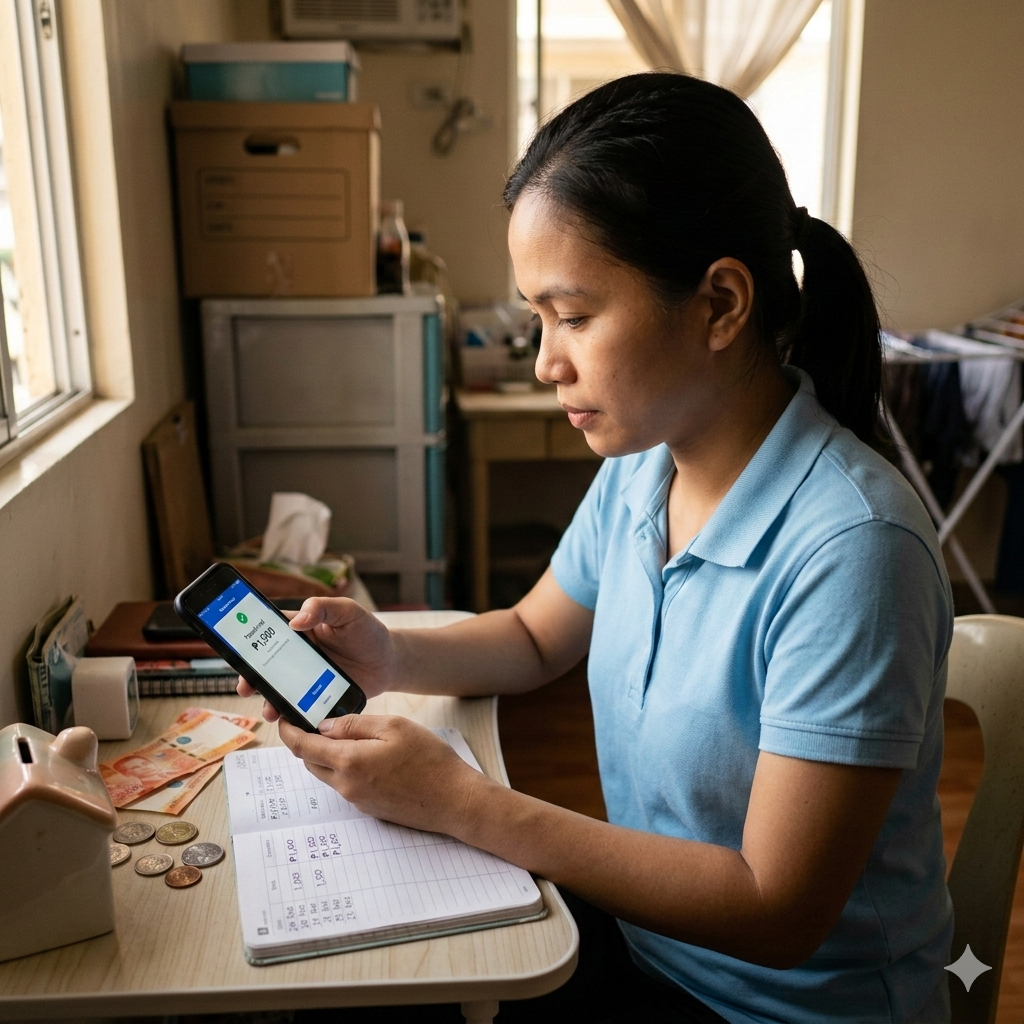
How Much Savings Should You Actually Have in Your 20s and 30s?
Practical savings targets for young Filipinos and how to hit them without burning out.
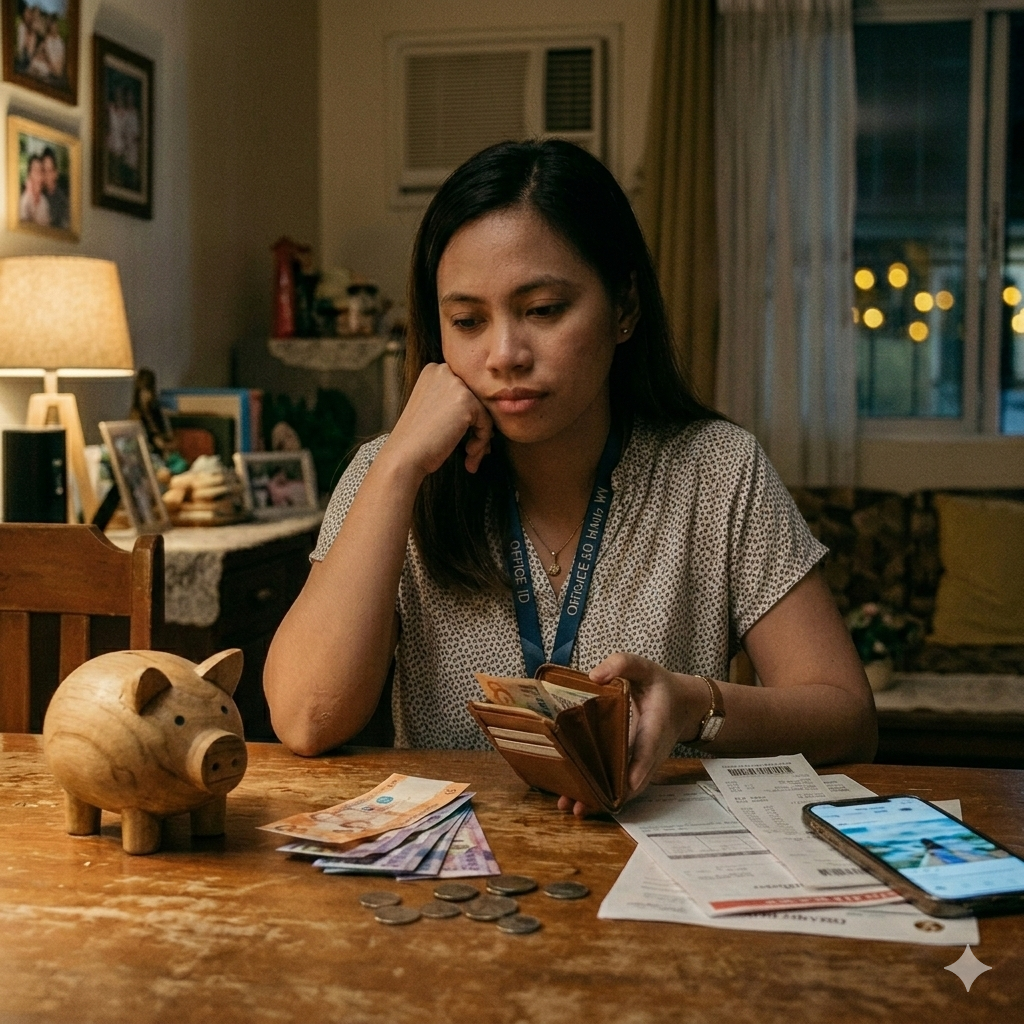
"Bakit parang hindi ko kaya mag-ipon?"
Kung minsan, parang ikaw na lang yung hindi nakakaipon.
You scroll through social media and see people flexing their investment portfolios, their travel funds, their six-month emergency savings. Tapos ikaw, end of the month pa lang, ubos na agad. You start wondering: Ano ba problema ko? Bakit hindi ko kaya?
Here's something that might help: you're not alone, and it's probably not about discipline.
According to BSP's Consumer Expectations Survey, only about 26% of Filipino households were able to set aside money for savings in late 2024. Ibig sabihin, three out of four families aren't saving regularly. Hindi dahil tamad sila or magastos — kundi dahil ang hirap talaga ng math.
So if you've been beating yourself up thinking there's something wrong with you, take a breath. This article is for you.
We've all heard the advice. Usually from titos, influencers, or well-meaning friends who seem to have it all figured out.
"Mag-budget ka kasi." "Tigilan mo yang milk tea." "Consistency lang yan, kaya mo yan."
And sure, those things can help — kung may mai-budget ka nga in the first place. Pero for a lot of Filipinos, the problem isn't that we're buying too much coffee. The problem is that our salaries are stretched so thin, wala nang matitira after covering the basics.
Think about it. By the time you pay rent, bills, transpo, groceries, load, and send money home to your parents or siblings, ano pa bang natitira? For many of us, the answer is: almost nothing.
Discipline can help you optimize the little that's left. But discipline cannot create money that doesn't exist. Kaya unfair yung narrative na "kulang ka lang sa willpower" when the real issue is structural — meaning, it's about income, expenses, and responsibilities that are beyond your control.
Let's talk about what's actually happening sa buhay ng typical young professional in the Philippines.
Your income grows slowly. Entry-level salaries sa maraming industries hover around ₱18,000 to ₱25,000. Tapos yung annual increase, kung meron man, is maybe 3-5%. After five years, you're still earning something that barely keeps up with inflation.
Meanwhile, expenses rise fast. The price of rice, electricity, rent, and even your daily commute keeps going up. Your paycheck stays the same, pero yung grocery bill mo? Iba na.
And then there's the family factor. Sa Pilipinas, helping your parents financially isn't considered "generous" — it's expected. Whether it's contributing to household bills, paying for a sibling's tuition, or sending money to relatives in the province, this is part of being a responsible anak. It's not optional for many of us.
Some surveys suggest that young Filipino professionals give anywhere from 20-40% of their salary to family support. For some, even more than that. So saving becomes something you do after all these obligations — and often, wala nang natitira.
Hindi ibig sabihin nito na failure ka. It means you're operating in a financially demanding reality that most generic advice doesn't account for.
Your 20s and 30s are supposed to be your "building years," pero ironically, these are also the most financially stressful.
You're likely still in entry-level or contractual roles with limited benefits. You're figuring out your career path, which might mean switching jobs, taking risks, or accepting lower pay for experience. If you're living in Metro Manila or another major city, rent alone can eat up a huge chunk of your salary. And on top of all that, you're probably helping your family in ways that people with different circumstances don't have to.
Nakakainggit minsan yung mga kabatch mo na mukhang "ahead" — yung may travel photos, investments, and seemingly stress-free lives. Pero hindi mo alam yung full picture. Baka mas mataas ang sweldo nila. Baka walang umaasa sa kanila financially. Baka may inheritance or family business na safety net.
Comparing yourself to people with completely different starting points is a fast track to unnecessary shame. Mas mabigat ang dala mo — that's not a flaw, that's just your reality.
👉 Related: How Much Savings Should You Actually Have in Your 20s and 30s?
In Filipino culture, being a good anak or a dependable ate or kuya comes with invisible costs.
You pay part of the electricity and water bill at home. You send weekly allowance to your sibling in college. You cover the gap when your parent's pension isn't enough for their meds. You're the one people call pag may emergency — because somehow, ikaw yung "may pera."
And honestly? You don't complain about it. Kasi mahal mo sila. Kasi ganito tayo pinalaki. Kasi this is what family means.
But here's the trade-off na hindi madalas pinag-uusapan: every peso that goes to family support is a peso that doesn't go into your own emergency fund or future investments. You're essentially funding multiple households on one salary.
That doesn't make you bad with money. It makes you someone who's sharing limited resources with the people who matter most. That deserves recognition — not guilt.
Let's say you finally manage to save ₱25,000 over eight months. Konti-konti, disiplinado, kahit hirap. You feel proud. May ipon ka na.
Then your mom gets hospitalized. PhilHealth covers some of it, pero yung medicines, yung lab tests, yung private room kasi puno ang charity ward? Out of pocket lahat. In one week, your ₱25,000 is gone. Back to zero.
This is a reality for so many Filipinos. Healthcare costs in the Philippines can easily exceed a family's monthly income in a single hospital visit. And it's not just medical emergencies — appliance breakdowns, home repairs, sudden school fees, even helping a relative who lost their job can wipe out months of progress.
Kung paulit-ulit na nawawala yung ipon mo sa mga emergency, it doesn't mean you're bad at saving. It means your savings are doing exactly what they're supposed to do — protecting you and your family from falling into deeper debt.
That's not failure. That's your emergency fund working.
👉 Related: Why Your Savings Keep Getting Used (And How to Fix It)
A lot of financial advice we see online comes from Western creators or contexts that assume a very different lifestyle.
They assume you have stable, predictable income every month. They assume your expenses don't randomly spike because of family emergencies. They assume you have no dependents and your only financial responsibility is yourself.
For many Filipinos, that's just not true. Marami sa atin ang may irregular income — overtime, commissions, sidelines, freelance. And on top of that, we're expected to help not just parents, but sometimes siblings, nephews, nieces, and extended relatives.
So when you hear "just save 20% of your income" and you're already sending 30% home, it doesn't feel like advice. It feels like an accusation.
The problem isn't you. The problem is advice that wasn't designed for your reality.
Instead of spiraling into "Bakit ba ang tanga-tanga ko sa pera?" — which, let's be honest, doesn't help anyone — try asking a different question.
"Anong mga pressures ang nagpapahirap sa pag-iipon ko right now?"
Maybe you'll realize: "Ah, kaya pala. Yung rent at transpo ko, 40% na agad ng sahod ko." Or: "May tatlong tao akong sinusuportahan na walang ibang income." Or: "Every few months, may emergency na umuubos ng ipon ko."
When you name the pressures clearly, you move from shame to strategy. Instead of blaming yourself, you can start thinking about what you can actually adjust — and what's simply beyond your control for now.
Kung effective ang guilt at self-criticism, mayaman na sana tayong lahat by now. But it's not — so let's talk about what actually works.
Start with smaller, realistic targets. Forget the "save 20% rule" if it doesn't fit your situation. Kahit 5% lang muna — or even a fixed ₱500 to ₱1,000 per payday — that's a win. You can increase it later when your income grows or your obligations lighten.
Build systems that can handle setbacks. Automate a small transfer every payday, para hindi mo na kailangang isipin. And when emergencies happen and you have to use your savings, rebuild without beating yourself up. Restarts are normal. They're not failure.
Separate your identity from your bank account. Mahirap 'to, pero importante: you are not your savings balance. Your worth as a person is not measured by how much is in your emergency fund. You're more than your financial situation.
And here's a reality check that might actually comfort you: among Filipino households who do manage to save, many only set aside 5-9% of their income. Hindi 20%. Hindi 30%. Single digits. So if you're saving anything at all, kahit maliit, you're already doing better than you think.
👉 Related: Small Savings Are Not Pointless (Despite What Social Media Says)
Real financial progress is messy.
It's not linear. It's not aesthetic. It's not fast. It won't get you likes or make a good story for social media.
Real progress looks like saving a little, using it for a family emergency, resting, then starting over again. It looks like slowly paying off debt over years, not months. It looks like negotiating for a slightly higher salary at your next job. It looks like eventually being able to give a little less to family — not because you love them less, but because you've helped them become more stable too.
You're building something in the background, kahit hindi halata. That's still progress.
If saving feels impossible, it's not because there's something wrong with your character.
It's because incomes are tight, life is expensive, and your responsibilities extend beyond yourself. Ganyan ang reality ng maraming Pilipino, and you're navigating it the best you can.
Understanding this is the first step. The next step is building a system that works with your reality — not a fantasy version of your life where you have no obligations and money just appears.
You don't need to be perfect. You just need to stay in the game, even if you have to pause sometimes.