Credit Cards for Beginners in the Philippines
Looking for your first credit card? Here are the best beginner credit cards in the Philippines for 2026, plus how to choose the right one safely.
There's this recurring question on r/PHCreditCards that seems simple enough:
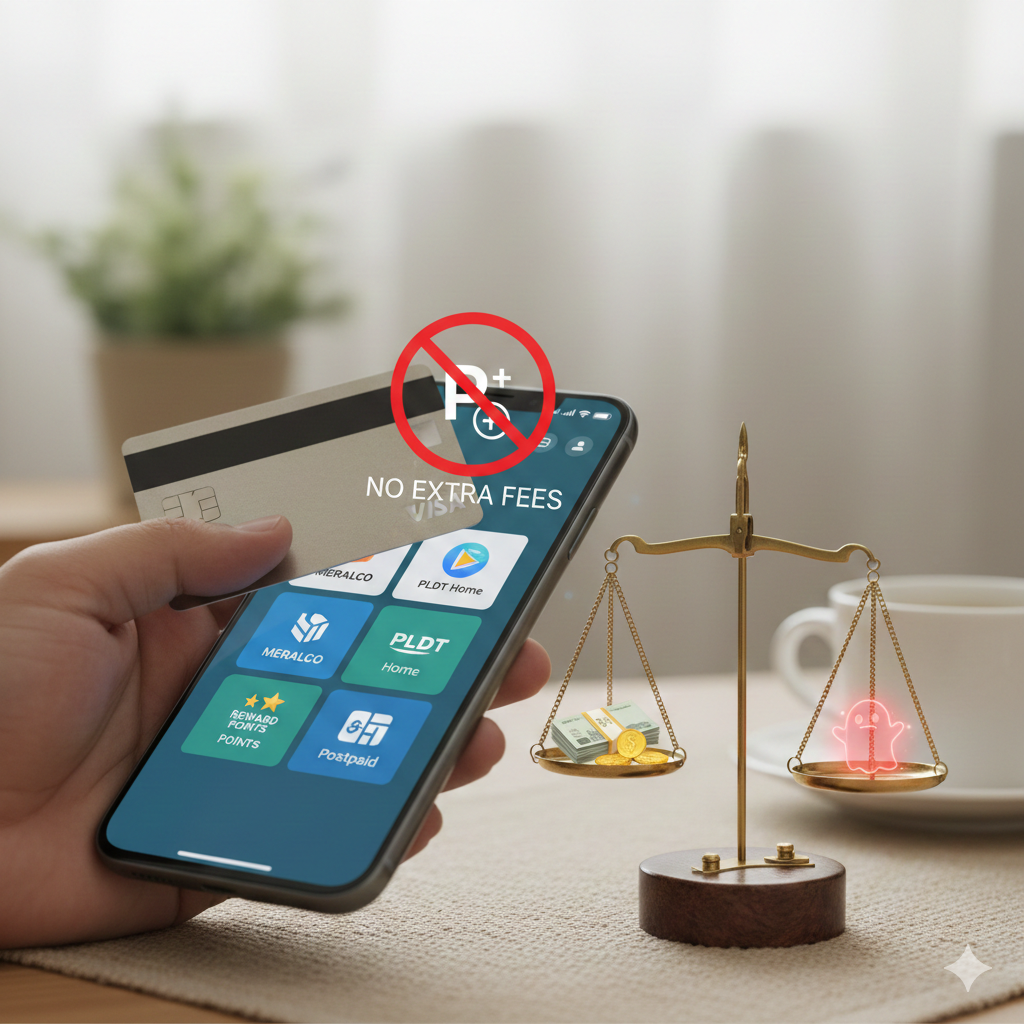
"Pwede ba gamitin yung credit card ko for Meralco? Para may rewards pa."
The replies are always a mix of yes, no, and horror stories. Someone says they tried it and their balance ballooned. Another person says the convenience fee ate their cashback. Someone else admits they thought they could pay it off next month, but here we are six months later.
Paying bills with your credit card can be a decent move, but only if you know what you're doing. Otherwise, it's just another way to quietly lose money while thinking you're being smart about it.
This guide breaks down when it actually makes sense, when it's a trap, and how to avoid the most common mistakes.
You might want to read this first:
Credit Cards for Beginners in the PhilippinesThere are three main reasons people put bills on their credit card:
Convenience
One payment method for everything. Meralco, internet, phone bill, lahat nasa card na lang. Less hassle, less accounts to track.
Cash flow breathing room
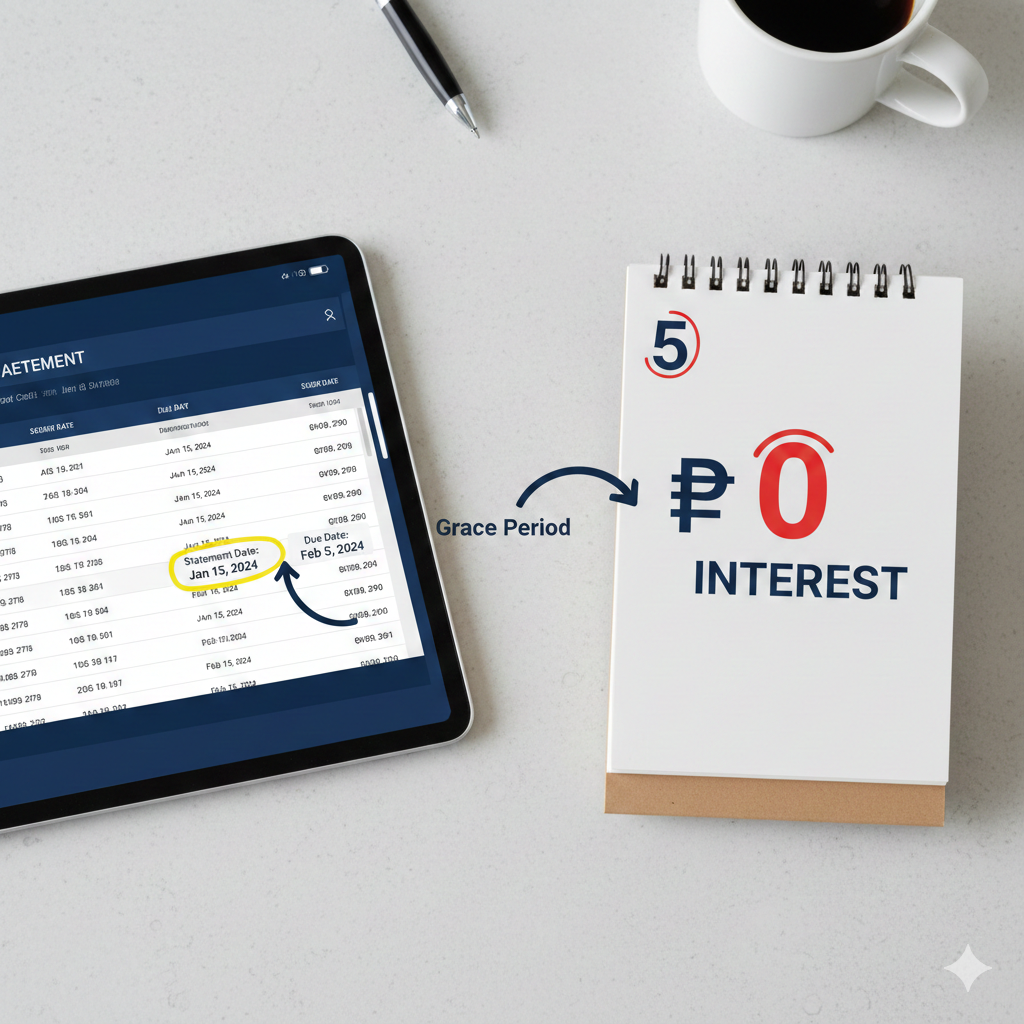
You get about 20 to 50 days before you actually have to pay. Helpful when your sahod comes in late or you're navigating that May to December wallet crisis.
Rewards
You're paying the bill anyway. Why not get points or cashback out of it?
All three reasons make sense on paper. The problem is they only work if you already have solid credit card habits. If you're still learning how to pay on time or avoid revolving balances, adding bills to your card can backfire pretty quickly.
Not every biller in the Philippines takes credit cards, and even when they do, the setup varies wildly.
What usually works:
What changes from biller to biller:
The big banks in the Philippines have made this easier. They all let you pay hundreds of billers through their apps, but each biller still has its own quirks. Sometimes it's seamless. Sometimes there's a fee. Sometimes your rewards don't apply.
The point is, never assume it'll work the way you think. Always double-check before you hit that confirm button.
This is the part that catches most people off guard.
Some billers or payment gateways will charge you extra just for using a credit card. It could be a flat fee like ₱20 to ₱50, or it could be a percentage, usually around 1% to 2.5% of your bill.
Here's a real example:
You pay your ₱3,000 Meralco bill with your credit card. The payment gateway charges a 2% convenience fee. That's ₱60 right there. Your card gives you 0.5% cashback, which is ₱15.
So you didn't earn anything. You lost ₱45.
Where you usually see these fees:
Where it's typically fee-free:
The math is simple. If the fee is bigger than your rewards, there's no point in doing this. You're literally paying extra for nothing.
Bills feel harmless because they're predictable. Same amount every month, something you have to pay anyway, walang guilt attached unlike when you impulse-buy shoes.
But here's what actually happens when you start charging bills to your card.
You add Meralco. Then PLDT. Then your Globe postpaid. Suddenly your baseline balance is ₱8,000 instead of ₱3,000. It starts to feel normal because it's recurring. Then you add a weekend dinner here, Grab rides there, maybe some online shopping.
Next billing cycle rolls around and your balance is ₱25,000. You stare at the number and wonder how it got that high.
This is how people end up in Reddit threads asking "Paano ba 'to nangyari?"
The invisible problem:
Your credit card doesn't separate "bills" from "wants." Everything shows up as one big balance. So when the statement comes, you just see the total. And if you weren't mentally tracking what was a bill versus what was discretionary spending, that number can be a lot scarier than you expected.
This is the rule you cannot break.
If you can't pay the bill amount in full by the due date, do not put it on your credit card. Full stop.
Why? Because the second you start paying interest, any rewards or cashback you earned disappear instantly. And then you're paying even more on top of that.
Quick example:
You charge ₱5,000 worth of bills to your card. You earn ₱50 in cashback. Sounds good. But then you can't pay in full, so you just pay the minimum. Interest kicks in at typical Philippine credit card rates, which means you're looking at ₱150 or more in charges for that first month alone.
Net result? You lost ₱100, and it gets worse every month you carry that balance.
This is the number one mistake beginners make. Bills are not emergencies. If you don't have the cash to pay them outright, you definitely can't afford to put them on credit and hope for the best.
Bills behave differently from regular spending, so you need to treat them that way.
The moment you charge a bill to your card, act like that money is already gone. Set it aside mentally. Write it down in your Notes app or a simple spreadsheet. When your statement comes in, you should already know that chunk of your balance is spoken for.
This prevents the dangerous illusion of thinking "May ₱10,000 pa akong available limit, I can still buy stuff."
Some people find it easier to keep a separate card just for bills. If that setup makes more sense to you, go for it. The goal is just to stay conscious about what's a fixed expense versus what's discretionary.
It makes sense when all of these things are true:
There are zero convenience fees. Check the payment screen carefully. If there's an extra charge from the biller or the gateway, you're already losing.
Good examples: BDO Pay for enrolled billers, Metrobank Bills2Pay on auto-charge, BPI app for select billers. But even then, double-check each transaction.
You pay the full amount every month. This is non-negotiable. If you're already carrying a balance, adding bills will only make it worse.
You actually earn rewards. Not all cards treat bills the same way. Some exclude utilities from earning points. Some only give you base-level rewards like 0.2% to 0.5%. Check your card's terms and conditions so you know what you're actually getting.
You track it actively. You're not just setting it and forgetting it. You review your statement. You budget properly. You stay on top of what's happening.
If all four of those boxes are checked, go ahead. It's boring, it's predictable, and it won't blow up in your face. That's what responsible credit card use looks like.
Don't pay bills with your credit card if:
Clarity always beats convenience.
Let's be clear about something: paying bills with a credit card is not some genius wealth-building strategy.
It's just a tool. And like any tool, whether it's a hammer or a credit card, it only works when you use it the right way.
There's no magic here. No shortcuts. Just basic math, a little discipline, and being honest with yourself about your own habits.
If paying bills with your card makes your finances more confusing or stressful, stop doing it. Your future self will be grateful.
Before you pay any bill with your credit card, ask yourself one question:
If the answer is yes, then check for fees and decide if it's worth it.
If the answer is no, don't do it. Use debit or pay the biller directly.
That's it. Keep it simple.
Paying bills with a credit card in the Philippines can work, but only under the right conditions. You need zero or minimal fees, a solid habit of paying in full every month, conscious tracking of what you're spending, and a setup that actually simplifies your life instead of complicating it.
If any of those pieces are missing, you're better off just paying cash or using debit. There's no prize for making things unnecessarily complex.